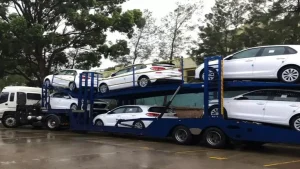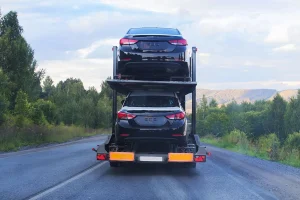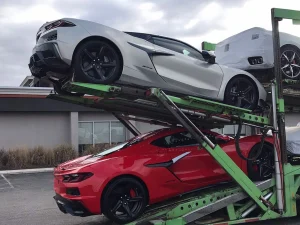

Need state-to-state car shipping from Miami, FL? Explore long-distance vehicle transport options with BlueLine Vehicle Transport. Call today
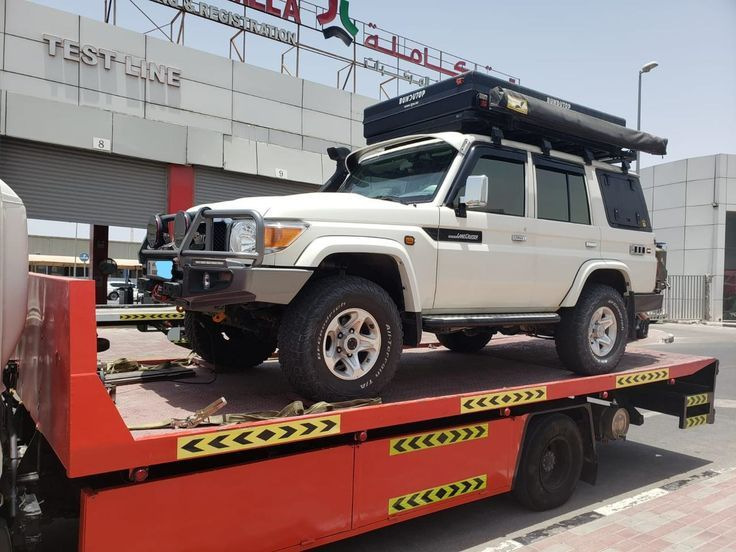
Moving a vehicle between states can require significant time, planning, and travel expenses. State-to-state auto transport offers an alternative to driving the entire route yourself by arranging professional vehicle transportation between your chosen locations.
BlueLine Vehicle Transport helps customers explore state-to-state vehicle shipping options from Miami, Florida, to destinations across the United States. Whether you are relocating, purchasing a car from another state, moving for work, or sending a vehicle to a family member, understanding the transportation process can help you prepare for a smoother shipment.
State-to-state auto transport involves arranging the movement of a vehicle from one state to another using a suitable vehicle carrier.
A shipment may cover a relatively short interstate route or a long cross-country journey. The transportation method, pickup arrangements, delivery expectations, and price depend on the details of the specific shipment.
Customers can explore open transport for many standard vehicles or enclosed transport when additional protection from outdoor exposure is a priority. Door-to-door arrangements may also be available where road access and carrier conditions permit.
Driving across several states can require multiple days, overnight accommodation, fuel, meals, and additional vehicle mileage. Arranging transportation can help you avoid driving the full distance yourself.
Whether shipping is more economical than driving depends on the route, travel expenses, vehicle, and service price.
Families and individuals moving from Florida to another state often have many tasks to manage. Vehicle shipping can be coordinated alongside housing arrangements, moving services, and travel plans.
Providing your pickup and delivery details early can help you compare options and plan around your relocation schedule.
Online marketplaces and dealerships make it possible to purchase vehicles from distant locations. State-to-state shipping may allow you to arrange delivery without personally collecting the vehicle.
Before booking, verify the vehicle’s condition, ownership documentation, seller arrangements, and pickup readiness. Ensure the transport provider has the information needed to identify and collect the correct vehicle.
Open car transport may be suitable for many everyday vehicles, while enclosed transport may be preferable for certain classic, collectible, or luxury automobiles.
Door-to-door arrangements can help coordinate pickup and delivery around your chosen addresses when the locations are safely accessible.
Comparing these options helps you choose a service based on your budget, vehicle, and route.
The cost of interstate vehicle transport depends on several variables.
Distance and route: Longer routes generally involve greater overall transportation costs, but prices do not always increase proportionally with mileage.
Vehicle size and weight: Larger vehicles may occupy more carrier space and affect loading capacity.
Transport type: Enclosed transport generally costs more than open transport.
Season and demand: Route popularity, seasonal travel, and available carrier capacity may affect pricing.
Pickup and delivery locations: Remote areas or locations with limited carrier access may require additional planning.
Vehicle condition: Non-running vehicles and cars with unusual dimensions may need specialized equipment.
Timing: Short-notice requests and inflexible pickup windows may affect availability and cost.
A detailed quote should reflect your actual route and vehicle information. Review what is included and ask about any additional fees before confirming.
Begin by requesting a quote with the vehicle’s make, model, year, operating condition, pickup location, destination, and preferred dates.
Review the proposed transport method, estimated pickup window, transit estimate, payment terms, and service agreement. Confirm the booking according to the provider’s stated process.
Before pickup, remove personal belongings, photograph the vehicle, disclose any mechanical problems, and prepare the keys. Make sure the pickup location is accessible to the carrier.
At collection, review the vehicle condition report and keep a copy. During transit, remain available for relevant updates and scheduling changes.
At delivery, inspect the vehicle, compare its condition with the original documentation, and report any concerns promptly according to the applicable claims procedure.
Transit time varies according to distance, route, weather, traffic, road conditions, carrier scheduling, and pickup and delivery arrangements.
A shipment between neighboring states may take less time than a cross-country journey, but an exact delivery date cannot be determined from distance alone.
Ask for an estimated transit window and clarify whether any delivery date is guaranteed in writing. Allow flexibility for unexpected delays and avoid scheduling critical events too closely to an estimated arrival time.
Clean your vehicle and take photographs of its existing condition. Remove personal belongings, provide accurate vehicle details, and tell the provider about any modifications or mechanical issues.
Confirm who will release and receive the vehicle, verify both addresses, and keep contact information available. Review the carrier’s insurance documents, exclusions, deductibles, and claims instructions before shipment.
BlueLine Vehicle Transport helps customers in Miami explore vehicle transportation options for interstate moves and long-distance shipping requirements.
Our goal is to help customers understand the available services, provide accurate shipment information, and review their arrangements before booking. Clear communication about route, vehicle condition, pickup access, and scheduling can help set realistic expectations.
Customers should review the specific quote and written agreement to understand the responsibilities of each party.
Whether you are moving away from Florida or arranging delivery into Miami, state-to-state auto transport can provide an alternative to a long-distance drive.
Contact BlueLine Vehicle Transport at (786) 998-7432 or visit bluelinevehicletransport.com to discuss your vehicle, route, and preferred shipping dates.
Request a shipment-specific quote and compare the available options before confirming your transportation arrangements.
Find answers to some common questions about car shipping and vehicle transportation.
Car shipping costs depend on the distance, vehicle size, transport method, route demand, season, carrier availability, and pickup and delivery requirements. Contact BlueLine Vehicle Transport at (786) 998-7432 to discuss your shipment and request a quote.
Open transport uses an uncovered carrier and is commonly used for standard vehicles. Enclosed transport uses a covered trailer that helps protect vehicles from outdoor exposure and may suit classic, luxury, and collectible cars. Enclosed shipping generally costs more.
Pickup and delivery can often be coordinated near your requested addresses, provided the carrier can access the locations safely and legally. If a large truck cannot reach an exact address, a suitable nearby meeting point may be required.
Transit time depends on the route distance, traffic, weather, carrier scheduling, and pickup and delivery arrangements. Request an estimated transit window for your specific route and allow flexibility for unexpected delays.
Remove personal belongings, photograph the vehicle's condition, disclose mechanical issues and modifications, prepare the keys, and follow the carrier's instructions. Review the pickup and delivery arrangements and keep copies of the relevant shipment documents.