
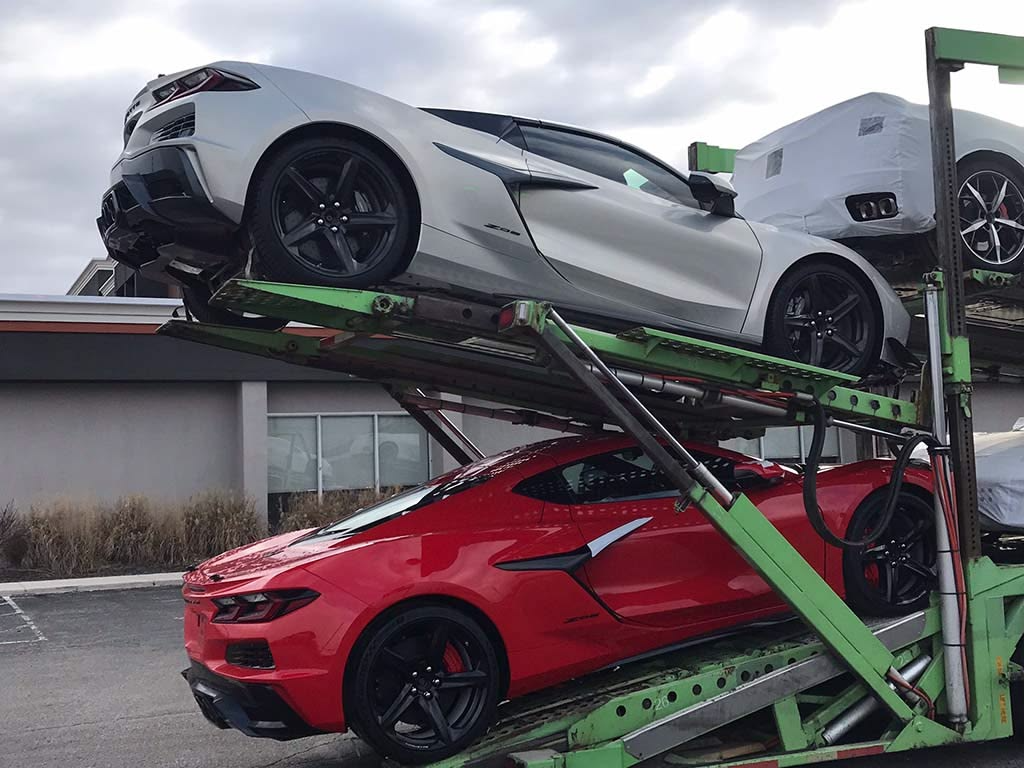
How to Prepare Your Car for Long-Distance Auto Transport
Long-distance auto transport can simplify a relocation, a vehicle purchase, or a move to another state. Preparing your car before pickup helps the transportation process run more smoothly and makes it easier to document the vehicle’s condition.
Whether you are shipping a car from Miami, Florida, to another state or arranging transportation into Miami, a few practical steps can help you prepare for pickup and delivery.
1. Clean Your Vehicle Before Pickup
Wash the exterior before the carrier arrives. A clean surface makes it easier to identify and photograph existing scratches, dents, chips, and other visible marks.
You do not necessarily need a professional detailing service. A basic wash and a clear view of the body panels, bumpers, windows, wheels, and roof are often sufficient for documenting the exterior condition.
Take photographs from multiple angles and keep the images until the shipment is complete.
2. Remove Personal Belongings
Remove luggage, electronics, documents, valuables, and other personal belongings from the vehicle unless the transport provider has expressly approved a specific arrangement in writing.
Personal items can shift during transit, add unapproved weight, create safety issues, or fall outside the carrier’s cargo coverage. Never leave important documents, cash, or irreplaceable possessions inside the vehicle.
Also remove loose accessories and items that could become detached during transport.
3. Check for Mechanical Issues
Tell the transport provider whether your vehicle starts, steers, brakes, and rolls normally. Disclose warning lights, fluid leaks, battery problems, and any other known mechanical issues.
An inoperable vehicle may require a winch, special loading equipment, or a carrier capable of handling non-running cars. These requirements can affect both price and scheduling.
Follow the provider’s instructions about fuel level, battery condition, alarm systems, and vehicle preparation. Do not conceal known problems.
4. Document the Vehicle’s Condition
A vehicle inspection is an important part of the shipping process.
Before loading, review the vehicle’s condition with the carrier and ensure visible damage is accurately recorded in the applicable inspection report or bill of lading.
Photographs can provide additional documentation. Capture the front, rear, sides, roof, wheels, and any existing damage. If possible, use clear lighting and retain the original image files.
At delivery, inspect the vehicle again before signing the final condition documentation. If you notice new damage, document it immediately, notify the carrier, and follow the applicable claims procedure.
5. Prepare Keys and Vehicle Information
Have the necessary keys available and provide accurate vehicle information, including the make, model, year, and any modifications that may affect loading.
If your car has low ground clearance, oversized tires, a roof rack, a lift kit, or other modifications, tell the transport provider in advance. Special equipment or loading arrangements may be needed.
Confirm the pickup contact, delivery contact, addresses, and the best phone number for reaching you.
6. Confirm Pickup and Delivery Access
Large car carriers need enough room to maneuver safely. Narrow streets, low branches, parked vehicles, steep driveways, and local restrictions may prevent a truck from reaching a requested address.
For door-to-door auto transport, confirm a safe and legal meeting point with the provider if direct access is not possible. A nearby open parking area or other suitable location may be necessary.
Keep your schedule flexible enough to accommodate the agreed pickup window.
7. Understand Your Shipping Arrangements
Before the vehicle is collected, review the quote and booking details. Confirm the transport method, expected pickup window, estimated delivery timeframe, payment terms, cancellation policy, and contact procedures.
Ask who will transport the vehicle and what insurance documentation is available. Verify the applicable coverage, exclusions, deductibles, and claims process rather than assuming every situation is covered.
Transit estimates are not always guaranteed arrival dates. Weather, traffic, road closures, and carrier scheduling can affect delivery.
8. Check the Vehicle at Delivery
When your vehicle arrives, inspect it in good lighting whenever possible. Compare its condition with the original photographs and inspection report.
If you find a concern, record it on the delivery paperwork and notify the carrier promptly. Keep copies of the paperwork, photographs, booking confirmation, and relevant communications.
Do not assume that signing for delivery removes every possible right, but understand the applicable contract and claims requirements.
Final Checklist for a Smooth Shipment
Before pickup, make sure you have:
- Cleaned and photographed the vehicle.
- Removed personal belongings and valuables.
- Disclosed mechanical issues and modifications.
- Prepared keys and relevant vehicle information.
- Confirmed safe pickup and delivery locations.
- Reviewed the quote, payment terms, and transport arrangements.
- Saved the provider’s contact information.
Good preparation helps establish clear expectations and reduces avoidable confusion during vehicle transportation.
BlueLine Vehicle Transport offers open, enclosed, door-to-door, and state-to-state auto transport options. To discuss your upcoming shipment, call (786) 998-7432 or visit bluelinevehicletransport.com.