
Open vs. Enclosed Car Transport: Which Option Is Right for You?
When arranging vehicle shipping, one of the first decisions is choosing between open and enclosed car transport. Both options move vehicles using specialized carriers, but they differ in vehicle exposure, availability, and price.
The right choice depends on your vehicle, budget, route, and personal preferences. Understanding the differences can help you choose a service that matches your transportation needs.
What Is Open Car Transport?
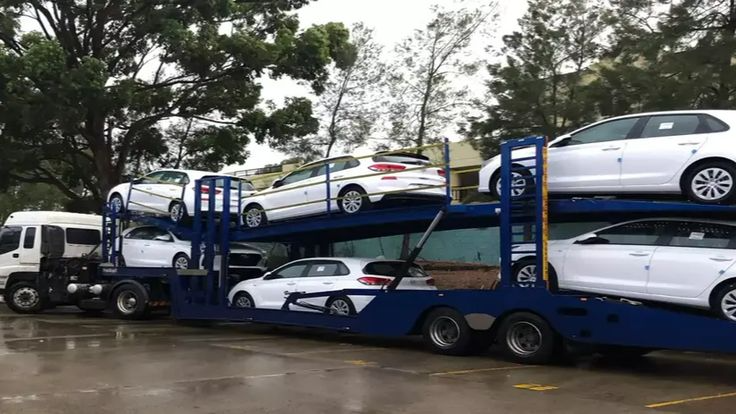
Open car transport uses an uncovered vehicle carrier, commonly designed to carry several automobiles at once. You may have seen these carriers transporting new cars to dealerships or moving vehicles between cities and states.
Open transport is widely used for standard passenger vehicles, including sedans, hatchbacks, SUVs, and pickup trucks.
Advantages of Open Transport
Potentially lower cost: Open carriers can transport multiple vehicles on one trip, helping distribute transportation costs across shipments.
Broad availability: Open transport is a common shipping method, although availability still depends on the route, date, and vehicle requirements.
Suitable for everyday vehicles: For many standard vehicles, open transport provides a practical balance between cost and convenience.
Things to Consider
Vehicles on open carriers are exposed to outdoor weather, dust, and normal road conditions. This exposure is typical of open shipping and should be considered when deciding how to transport a particularly valuable or sensitive vehicle.
What Is Enclosed Car Transport?
Enclosed car transport moves vehicles inside a covered trailer. The enclosed structure provides a barrier against many outside elements and may offer additional protection during transportation.
This method is often considered for classic cars, exotic automobiles, collector vehicles, luxury cars, and vehicles with specialized finishes.
Advantages of Enclosed Transport
Additional environmental protection: The covered trailer helps shield the vehicle from rain, windblown debris, and other outdoor exposure.
Appropriate for valuable vehicles: Owners of collectible or high-value vehicles may prefer the added protection of an enclosed carrier.
Specialized transportation options: Depending on the provider, enclosed services may offer equipment and handling arrangements suited to particular vehicles.
Things to Consider
Enclosed shipping generally costs more than open shipping and may have more limited availability on certain routes. Larger vehicles, modified cars, and special loading requirements can also affect scheduling and pricing.
Enclosed transport does not eliminate every transportation risk, so customers should review the carrier’s insurance arrangements and applicable terms.
How Do the Costs Compare?
There is no single price difference that applies to every shipment. Both options are affected by distance, route demand, vehicle dimensions, season, pickup flexibility, and carrier availability.
Open transport is often the more economical option for ordinary vehicles. Enclosed transport generally has a higher price because covered equipment and specialized capacity can cost more to operate.
When comparing quotes, make sure they cover the same route, vehicle, pickup timeframe, and service requirements. Ask about deposits, cancellation terms, payment arrangements, and any additional charges.
Which Option Is Best for Your Vehicle?
Open transport may be a suitable choice if you are shipping a daily driver, family vehicle, SUV, or pickup truck and want a practical shipping solution.
Enclosed transport may be worth considering if you own a classic automobile, collectible car, luxury vehicle, or vehicle with a finish that you want to shield from outside elements.
Your decision should also consider the vehicle’s condition and value. A non-running vehicle may require special equipment regardless of the transport type.
Preparing for Either Transport Method
Before pickup, remove personal belongings, document the vehicle’s existing condition with photographs, and communicate any mechanical or loading issues. Confirm whether the vehicle must be operable and whether modifications affect carrier access.
At pickup and delivery, review the vehicle’s condition with the carrier and keep copies of the relevant documentation.
Make an Informed Shipping Decision
Open and enclosed car transport both serve important purposes. Open shipping is a common, cost-conscious option, while enclosed shipping offers additional protection from outside exposure.
BlueLine Vehicle Transport can help you explore vehicle transportation options based on your route and vehicle requirements. Contact (786) 998-7432 or visit bluelinevehicletransport.com to discuss your shipment and request a quote before making your decision.